



Your Event Production Team… painlessly demystified!
What do all of those Event Production crew titles mean and why do I need them?
Getting to know your Live Event Production team helps you plan, troubleshoot and ultimately have a smooth and memorable event. Here is a run-down of common technical staff that will produce your Corporate Event, and their roles and responsibilities, de-mystified.
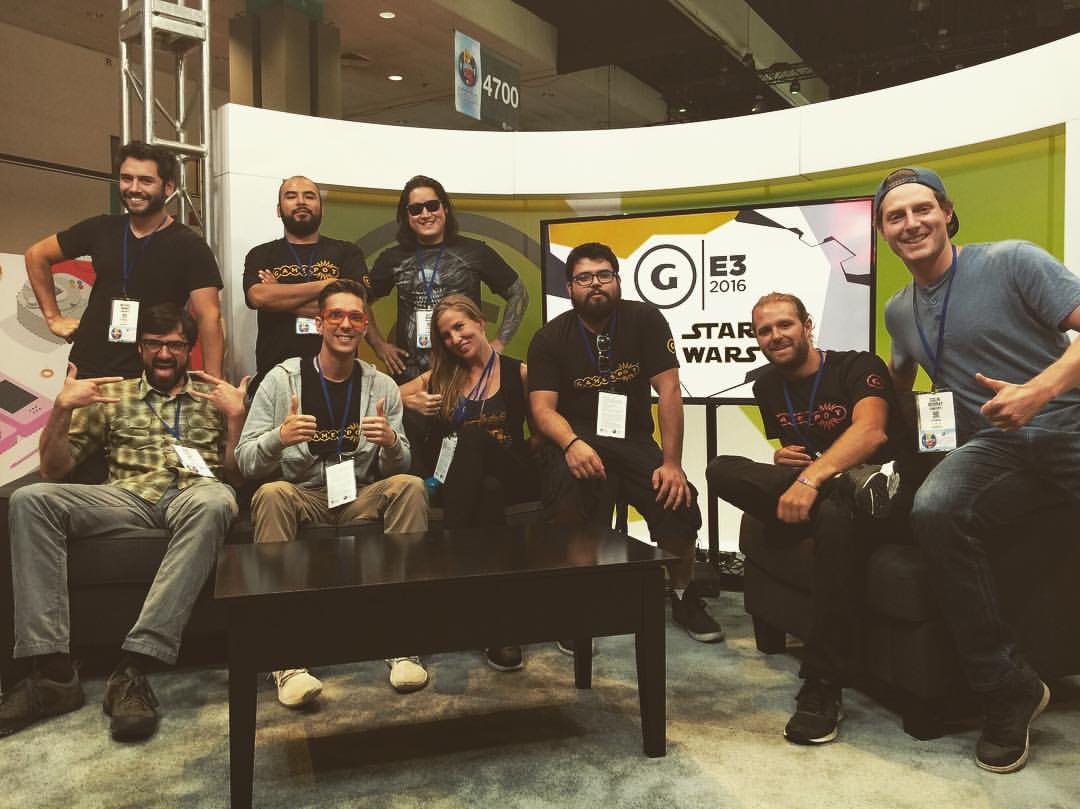
Event Production | Who’s in charge here?
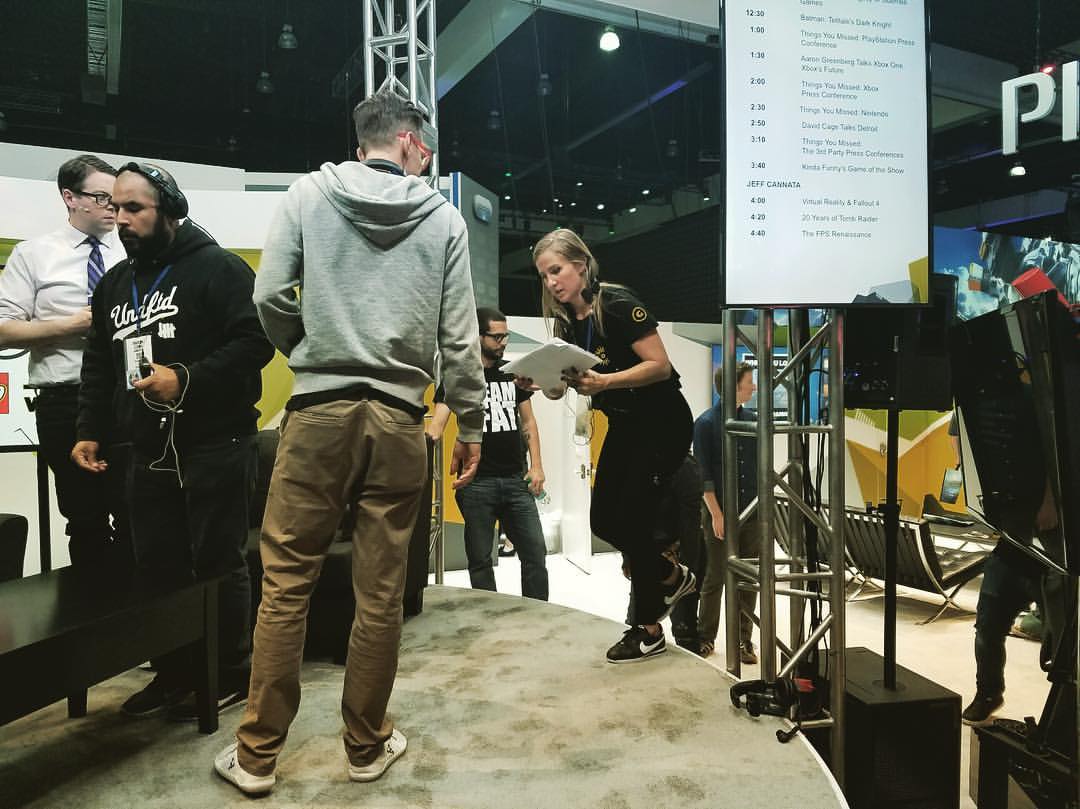
Project Manager: Project Managers oversee and harmonize all aspects of event production, from pre-production to execution. This can include developing concepts and ideas for the event production, overseeing operations, directing staff, and coordinating technical and event aspects.
Stage Manager: Stage Managers have several key responsibilities and tasks to perform in each phase of event production, including scheduling, running rehearsals, and coordinating the work of the production crew. Working with clients on calling cues and possibly talent entrances during the event are components that a Stage Manager provides that create a seamless show flow.
Technical Director: It is a Technical Director’s job to make sure the technical equipment is functional, maintained, safe, and show ready. The Technical Director, along with the Event Producer, is responsible for the overall organization of the technical event production process. If things go wrong your Technical Director is essential. Check out this article detailing how a Repertoire Technical Director solved a major problem and saved the day!
Slide Presentations and Video Playback
V1: Directs the process of setting up a video system for event production knowledgeably and avoid system-wide complications from the start. V1 can provide assistance in keeping the devices of the system up and running should they need maintenance. They understand the intricacies of broadcast signals. A must for competent live event production coverage. An exceptional V1 will couple high flexibility on the job with exceedingly clear and effective communication skills – making for a smooth, controlled production environment. V1s also control video switching when needed in the presentation.
V2: Slide progression, graphics, and ingesting content into the slide deck. Working with clients to ensure the deck is up to par for the presentations. Check out this great article on creating a great Powerpoint Presentation by Rachel Farley at CGI Interactive.

Video Production and Live Streaming
Live Streaming comes in many shapes and sizes, the largest might be a Royal Wedding like the one you see here…
Many Corporate Events are Live Streamed to an internal audience of employees only. Different locations, offices, retail outlets and remote employees requiring highly secure, Private networks.
For Large Brands and Marketing Events, Live Streaming will frequently be public and focused B2C or B2B. For these Events, Engagement, # of Viewers and even Monetization might be the goal.
Video Director: The Director “cuts” Camera’s, GFX, and other presentation elements into a coherent show for the Audience. This is the live event broadcast version of Kubrick, Scorsese, Bigelow, Malik, Campion, Tarantino, Night Shyamalan, Coppola, Speilberg, or Spike or Ang Lee.
Encoding Engineer: The Encoding Engineer is responsible for the signal delivery and maintenance from origin to destination. Destinations would be Youtube Live, Facebook Live, Ustream, Livestream, Twitch and many more like LinkedIn Live as soon as you get your account set up!
Camera Operator: The man/woman behind the lens. Manage Key visual angles and smooth transitions. Key players for flawless production and live streaming.
Sound Engineers
A1: Specializes in live sound for event production. Duties include equalizing/balancing and adjusting a room, checking mics, mixing, syncing with video, and setting preset levels so they are easily adjustable. One of the most important roles in live events.
A2: Audio engineer to act as a coordinator and right hand for the A1. Also manages Mic and lapel placement on talent and presenters.
VOG: “Voice of God” is your trusty live announcer that is behind the scenes and keeps the Event Production on Schedule.
Lighting and Staging
Lighting Director: Expert lighting design is critical. It will ensure Presenters on Stage are correctly exposed for the audience at the event, watching the Live Stream, and the Video Assets that you take away for Editing. Key elements are lighting direction, power sourcing, and creative lighting that produces a crisp ambiance and feel to the Event Space and for the Audience. Your conference might not need lighting quite as sophisticated as this video example, but you never know…
Electrician: If you want to put on a sensational light show or hang light fixtures without starting a fire or blowing a fuse, you need an Electrician on your team. If you see a CAM Lock Panel, you definitely need an electrician!!!
If you’ve never heard of CAM Lock Panel, don’t worry! Next week we will be posting a simple guide to Live Event Terminology.
Stage-Hand: Stagehands must perform a large amount of behind-the-scenes labor. Examples include building, placing, organizing; setting up sound systems, lighting, and props; and completing miscellaneous duties related to the production they are working on. Laying cable runs and building stage for various sized rooms are also significant aspects to this event position.
