



Closing The Closed Caption Divide
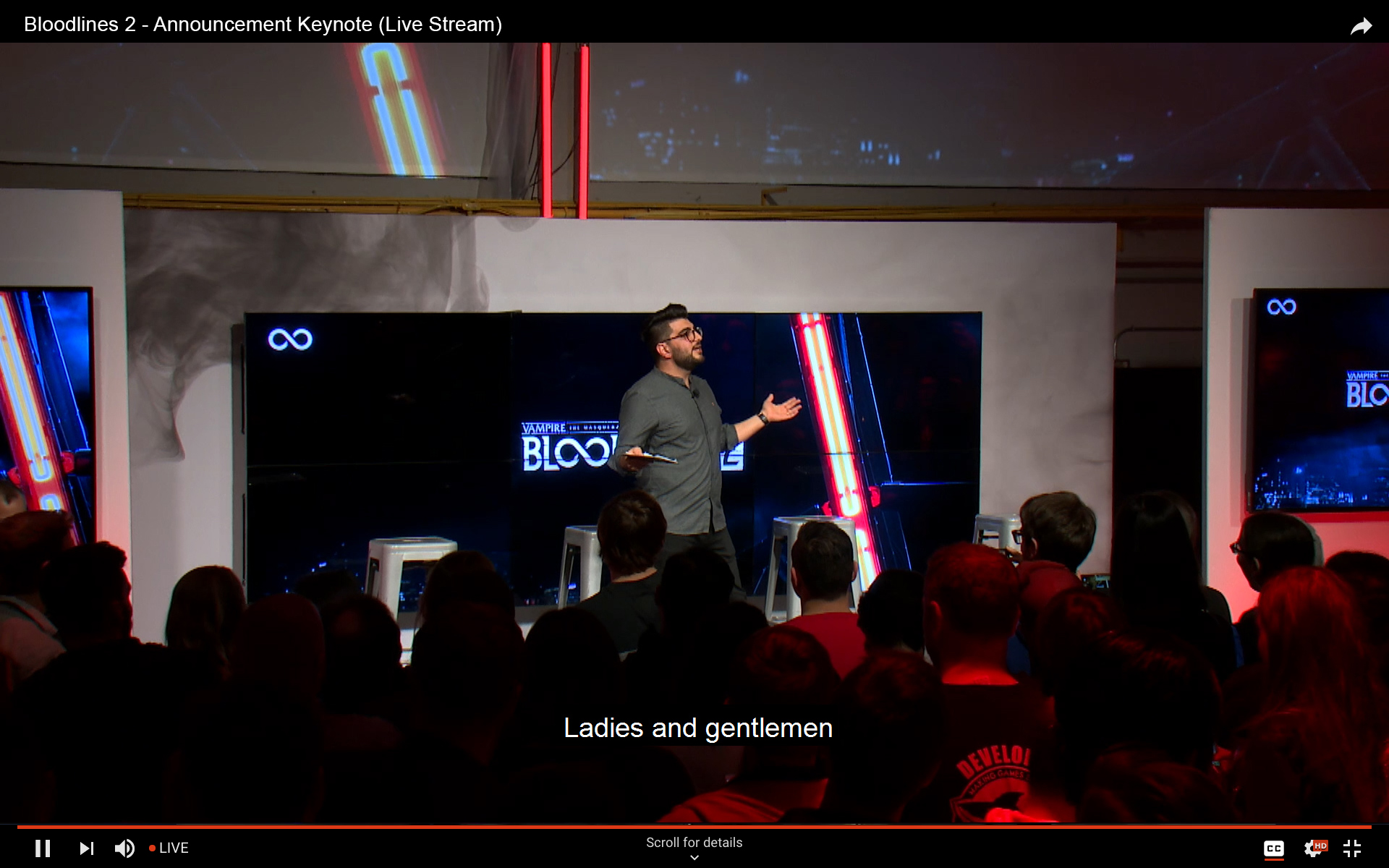
Live streaming video.
All of a sudden, it seems to be everywhere. Never before has it been so straightforward to stream your thoughts, events, and sporting competitions. Live streams can bring us closer together, by broadcasting niche sports and activities too small for the big TV broadcasters to care about but with a dedicated and passionate fan base (surf contests, drone racing anyone?) We can start a worldwide dialogue just by pulling out our phones and going live when something moves us. Live streaming is a manifestation of the democratization of thought and the expansion of inclusiveness, including closed captioning.
But wait-something is missing here. Whenever we talk about inclusiveness, one of the first things we should think about is accessibility. If a person can not access something they are by definition excluded from that place, event, or occasion. We have rules that mandate accessibility. For example, take any public restaurant, night club, government building, etc. If they have stairs, then they must also have a ramp to allow wheelchair users access.
Since television is a publicly owned and regulated utility, they must provide access to deaf and hard of hearing viewers. As a result, they have been broadcasting all shows with either open or closed captions since 1980. If you are interested in the difference between open and closed captions, standards for closed captions, and the latest technology for supporting closed captions in a live streaming video environment, our colleague Heather Hufford (formerly of LinkedIn, now Technical Producer at Apple) wrote a fantastic article for StreamingMedia.com.
Instead of focusing on the technical ins and outs of how it’s done, as she did; I’d like to focus on why closed captions are done.
When I was growing up, our neighbor Bill got into a terrible motorcycle accident. It was touch and go for awhile, but fortunately he survived. However his spinal cord was completely severed in the accident and he became a paraplegic. We lived (they still do) in the country, among the rolling hills of California’s central coast. While our neighbor was still recovering in the hospital, my father who made his living as a carpenter and general contractor decided that our house had to be completely accessible to this fiercely independent man.
We built ramps up to the front door, widened old doorways not up to code and generally did everything we could to make sure that when Bill came over for his first visit after the accident there would be no barrier to entry. Bill had lost enough, and we were determined that visiting his neighbors was not going to be one of those things that was lost due to his disability.
Most of Bill’s friends figured that he would move into town, where sidewalks, curb cuts, buses with wheelchair platforms would give him at least some mobility. But what they didn’t anticipate was his deep love for the countryside he had lived in for over 2 decades, and his stubbornness. Now, 30 something years after the accident, the green paths winding through the low oak covered hills are covered with something other than grass: Yards and yards of old carpet and plank boardwalks line the property, so that he can continue to explore the land he loves.
I’d like to think that our decision to make our houses accessible had some small part in him deciding to stay as well.
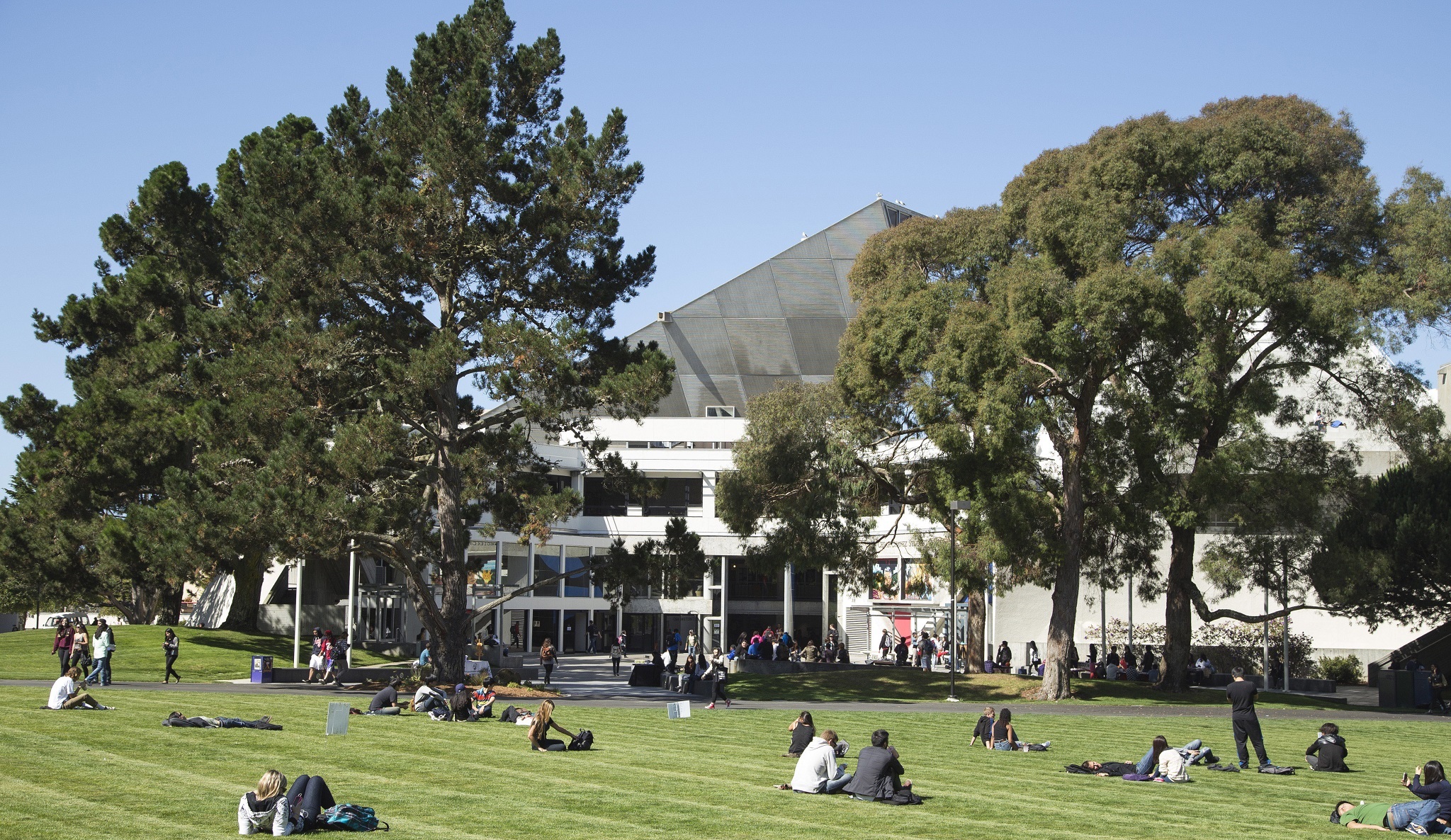
Many years later, I was working at the Disability Program and Resource Center while going to film school at SF State. My job was to cut the pages out of textbooks and feed them into a high-speed scanner that turned the words into speech, the opposite of typically closed captions. I then quickly skimmed the book to make sure the text to speech software (still in its early days then) hadn’t stumbled over decorative fonts, odd spacing or any of the other human flourishes that computers have a hard time understanding.
Often, disabled students would come by to collect their materials. One time, a young woman new to campus asked me where the science building was. I told her I was about to go on lunch and would be happy to escort her.
She took my arm and we walked across campus to the science building, while I described the odd pyramid in the center of campus, the library and other buildings and colleges as we passed. As we found her room, she told me that it was really nice to talk with someone who didn’t seem fake or nervous in the presence of a blind woman. To me, this comment came a surprise.
Why should I treat her any differently, other than acknowledge the fact that it was more difficult for her to get around in an unfamiliar environment than it would be for most people?
Repertoire Productions Announces Closed Caption Live Streaming
In the long run, despite the costs involved, the steep learning curve for adoption and the logistical challenges-if you have the resources and capability to include closed captions on your broadcast, you should. It’s simply the right thing to do. That’s why I am very proud to announce that Repertoire Productions, a long-time industry leader in live streaming, now offers the tools and expertise necessary to include live closed captions in a variety of languages to almost any video stream. 
As much as our society values individualism, there is one thing that no one likes and that is being excluded from a shared experience. It makes me very happy to know that we can facilitate this small step towards a culture of inclusion.
Why should we treat a viewer any differently, simply because they can not hear? It’s incumbent on us all to provide content that we can all take part in, for the zeitgeist and for the individual; and if you don’t know how Repertoire Productions can help you along the way. We’re more than Close Captioning.
Top Ten Ways Live Streaming Can add Value To your Silicon Valley Event
Top Ten Ways Live Streaming Can Add Value To Your Silicon Valley Event In the dynamic landscape of Silicon Valley, [...]
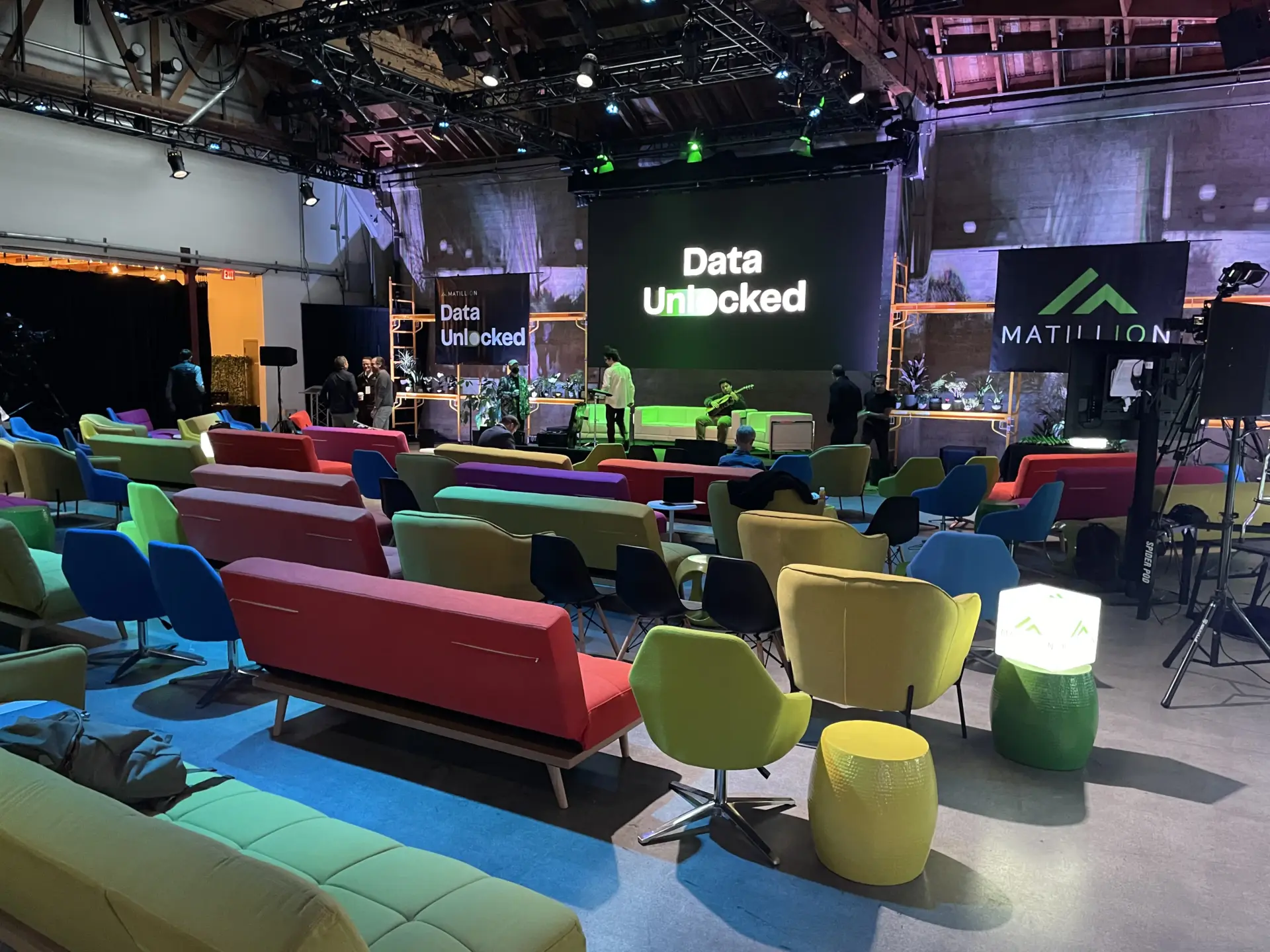
How Renting an LED Wall Can Wow Your Guests in San Francisco
How Renting an LED Wall Can Spark Joy and Wow Your Guests in San Francisco Are you tired of hosting [...]
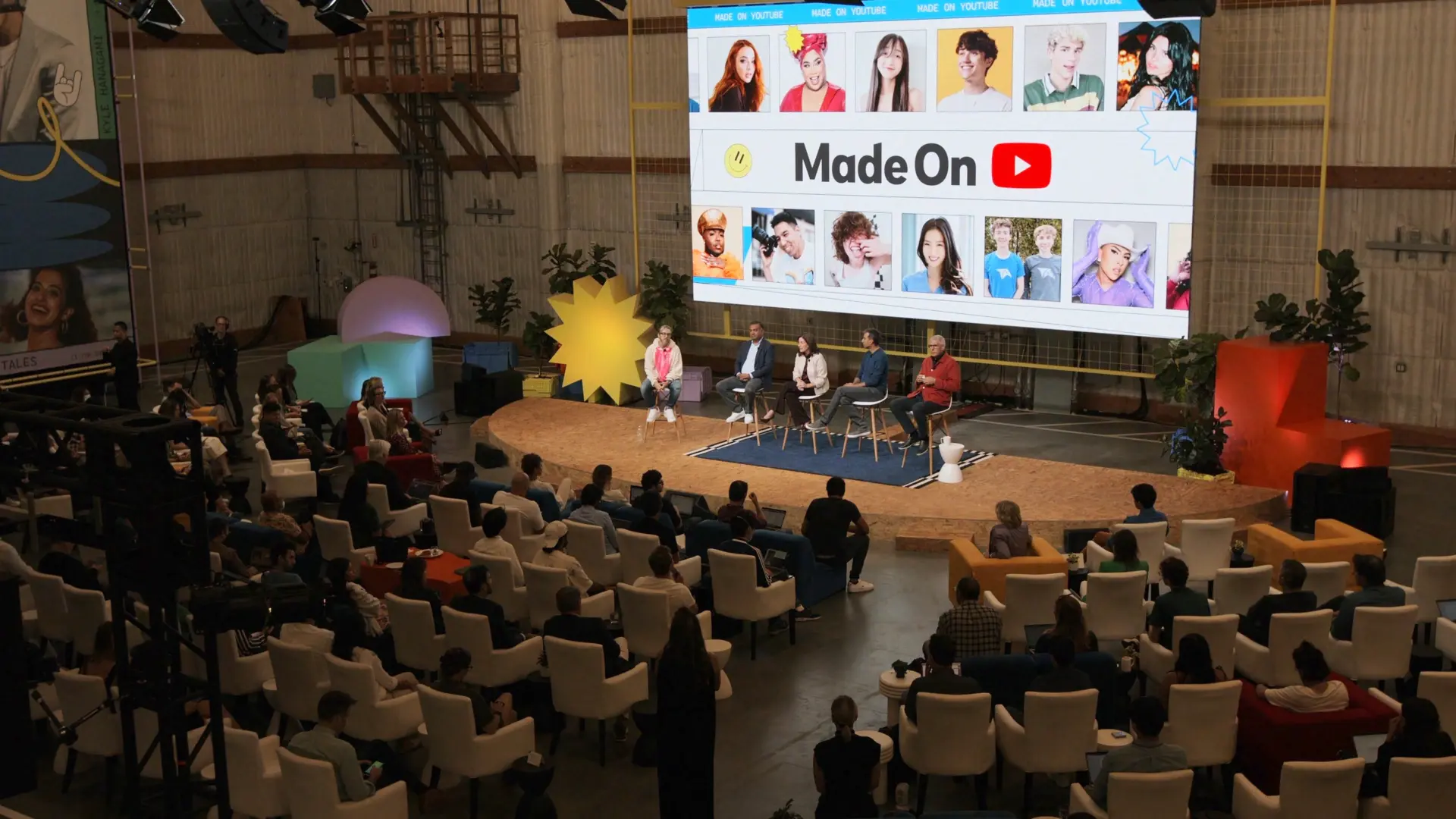
How to Make a Statement with Premium Video Wall Rentals for Corporate Events & Conferences
How to Make a Statement with Premium Video Wall Rentals for Corporate Events & Conferences In today's fast-paced corporate world, [...]
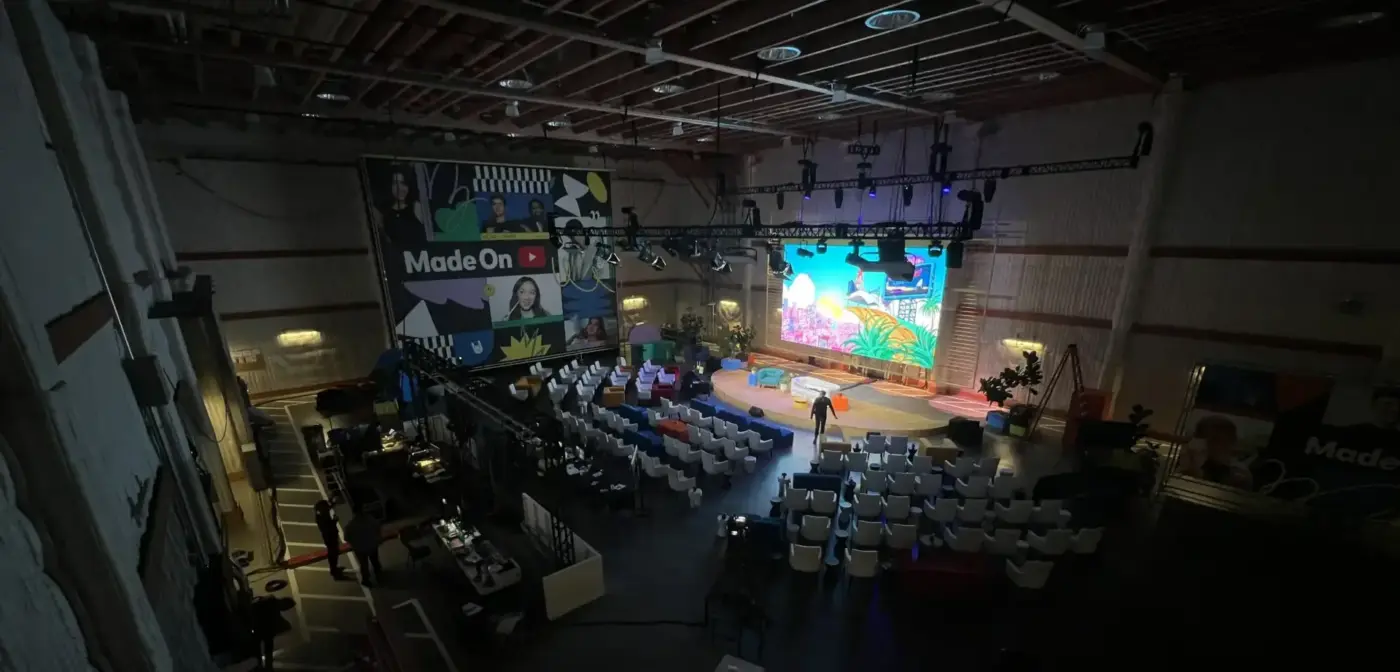
LED Walls Leveraging Your Visual Capabilities
Illuminate Your Event: Leveraging the Stunning Visual Capabilities of LED Walls In today's dynamic event landscape, captivating your audience's attention [...]
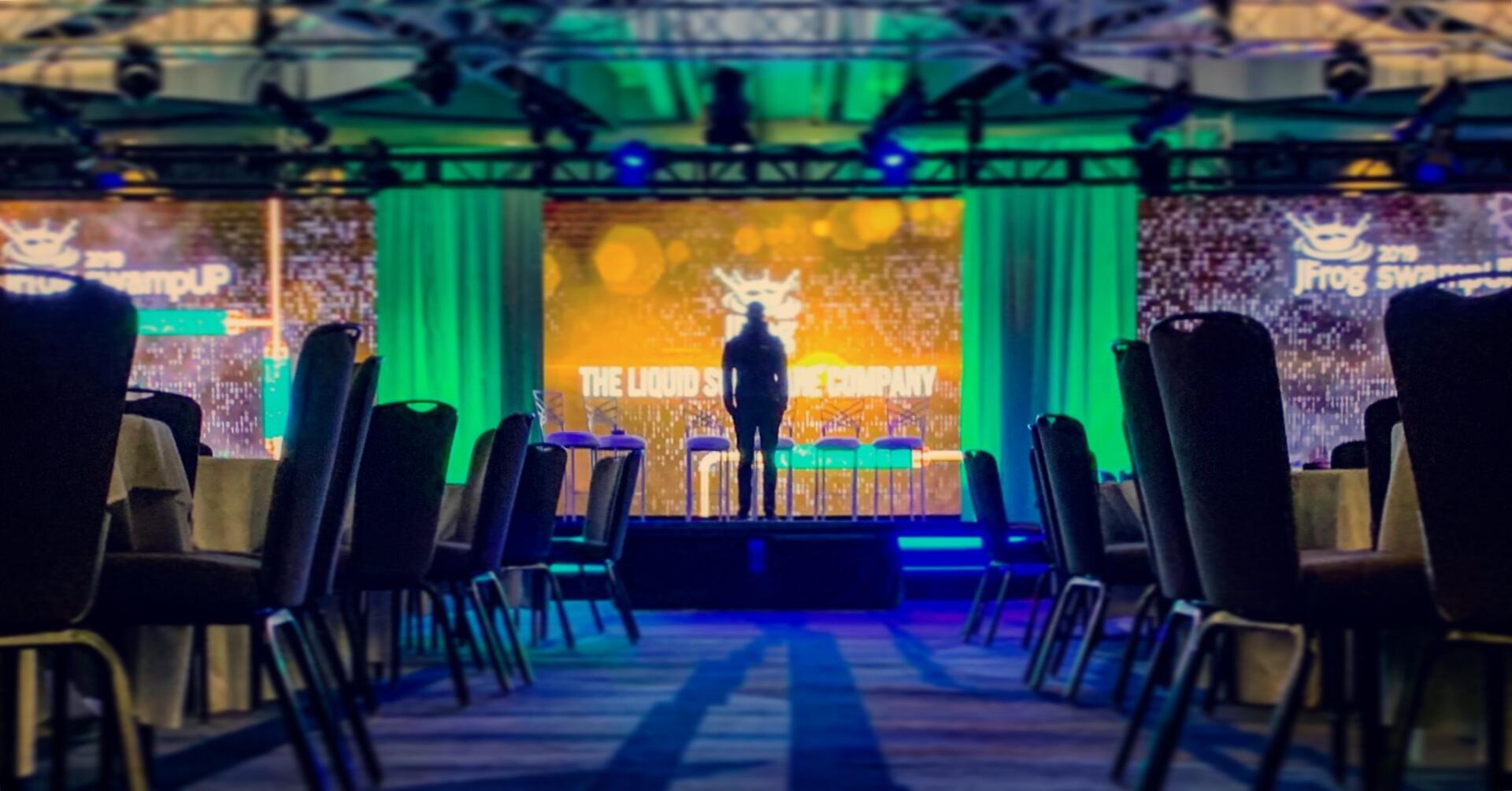
Renting a Video Wall will Make your San Francisco Event Incredible
Renting a Video Wall will Make your San Francisco Event Incredible Are you planning an event in San Francisco and [...]
Remarkable advantages of Hybrid Events
What are the Key Advantages of Hybrid Events? Why should YOU produce a hybrid event? Hybrid events are [...]
